Keeping progressing, Pursuing integrity, Embracing future

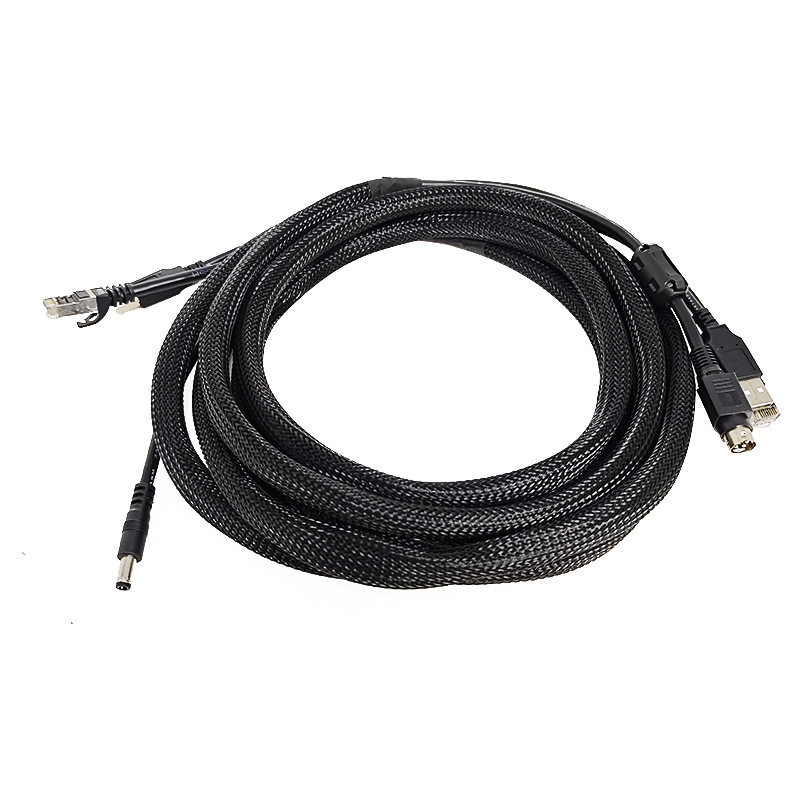
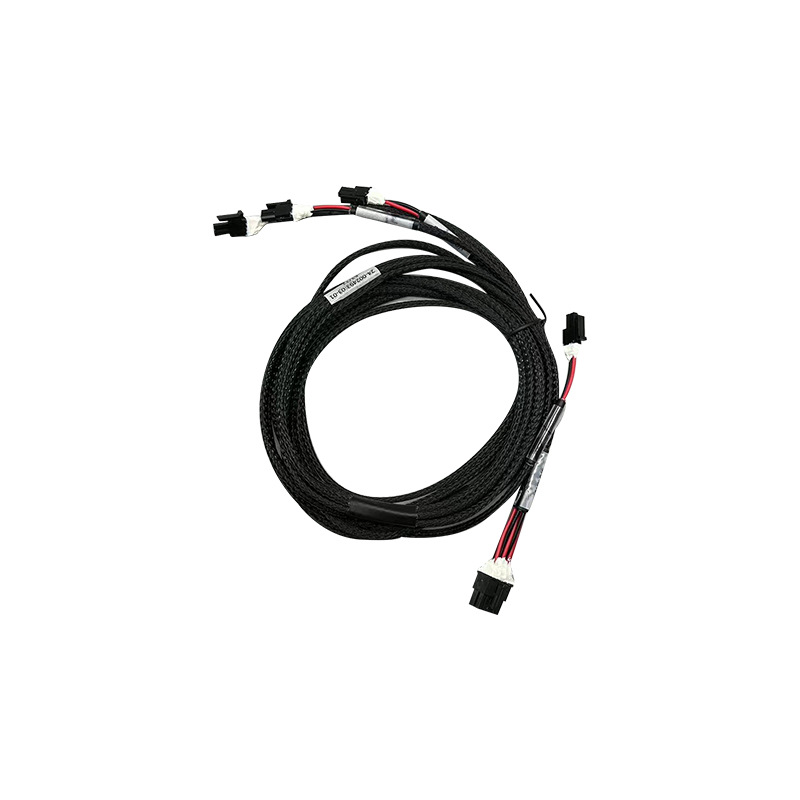
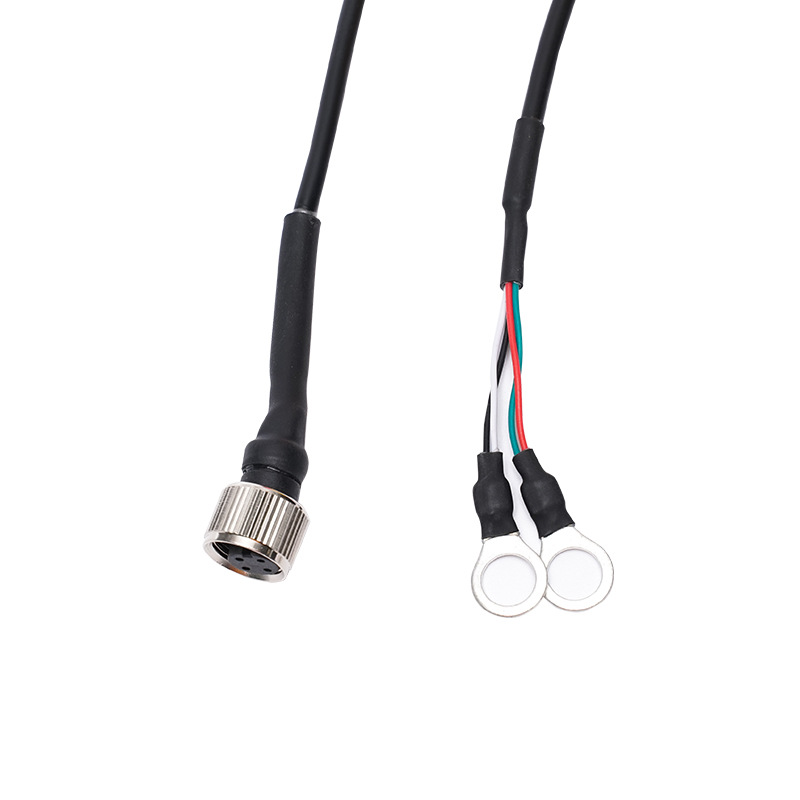
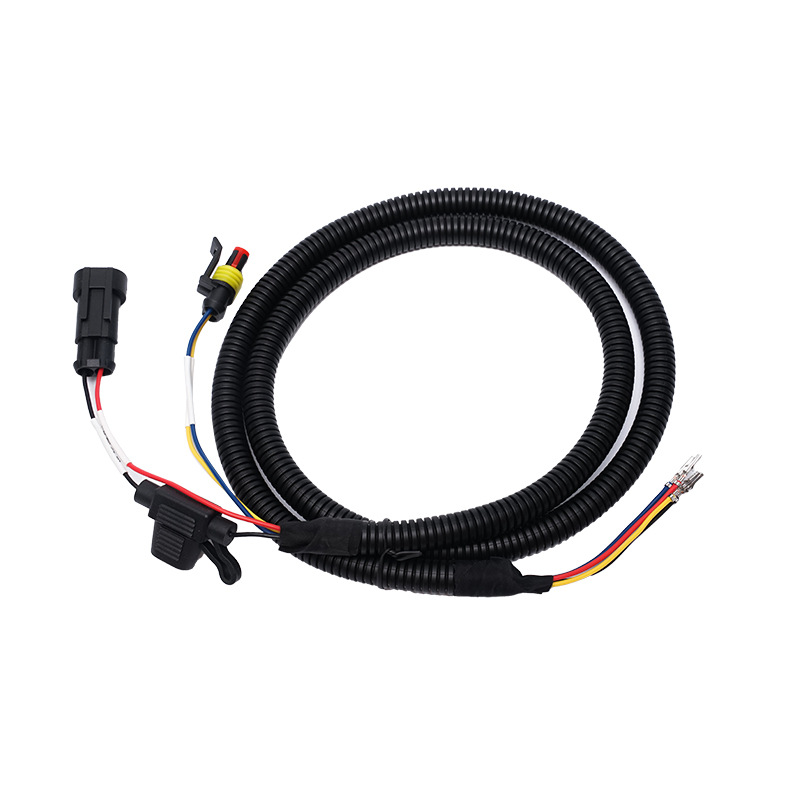
A standardized industrial equipment harness consists of seven modules: core conductor, multi-layer insulation structure, shielding structure, terminal connectors, external protective materials, fixing auxiliary materials, and identification accessories. Each component is designed specifically for harsh industrial conditions and is indispensable. The overall structure takes into account the five core functions of conductivity, insulation, anti-interference, mechanical protection, and installation adaptation. The first part is the conductor core wire, which is the carrier for current and signal transmission. Industrial wire harnesses uniformly use multi stranded oxygen free tinned copper conductors, which are different from single stranded hard copper wires. The multi stranded structure is resistant to repeated bending and vibration fracture, and the tin coating isolates the workshop from moisture, acid and alkali oil stains, preventing copper cores from oxidizing and blackening, and increasing contact resistance; The power harness uses coarse multi strand conductors to carry high currents, while the sensor signal harness uses ultra-fine multi strand soft conductors to adapt to the equipment's movable joint routing. The second part is the inner insulation layer, which wraps a single core wire. Under normal working conditions, XLPE cross-linked polyethylene is used, with a high temperature resistance of 125 ℃ and insulation impedance that meets the standard; The wiring harness of high-temperature melting and drying equipment is insulated with PTFE fluoroplastic, which can withstand high temperatures above 200 ℃; The cold chain equipment uses modified PVC low-temperature insulation to prevent low-temperature cracking, and its core function is to prevent short circuits between core wires and electric shock accidents. The third part is the electromagnetic shielding layer, which is equipped with dedicated industrial control signal wiring harness and servo drive wiring harness. It is divided into aluminum foil shielding and copper braided mesh double-layer shielding. Aluminum foil blocks high-frequency electromagnetic radiation, braided mesh guides low-frequency interference noise, and the shielding layer is grounded at a single point to isolate noise interference generated by frequency converters and motors, ensuring that 485 and Profinet industrial bus signal transmission is not distorted. The fourth part is about crimping terminals and connectors. The terminals are made of phosphor bronze and brass gold-plated materials to improve the wear resistance and conductivity stability of insertion and extraction. The connectors are divided into three categories: waterproof aviation plugs, European industrial control terminals, and heavy-duty connectors. The heavy-duty connectors are suitable for heavy-duty machine tools and automated production lines, with IP67 waterproof and dustproof, and the buckle locking structure is anti vibration and anti loosening. The fifth part is the external sheath and wrapping materials. The main wire harness is wrapped with corrugated pipes and flame-retardant braided network tubes, and the branch wire harness is wrapped with insulating tape. The corrugated pipes are resistant to pressure and wear, and can withstand mechanical collisions and cutting fluid immersion in the workshop; The sixth part is the fixed auxiliary materials, including zip ties, rubber protective coils, and shock-absorbing foam. The protective coils prevent the insulation layer from being cut when the wire harness passes through the equipment sheet metal holes, and the shock-absorbing foam weakens the resonance wear of the equipment during operation. The seventh part is the laser marking identification sleeve, marking the line number, circuit, voltage, and equipment location for easy maintenance and reconciliation in the later stage. The entire structure is layered and protected from the inside out, fully adapted to the long-term high-intensity operating conditions of industrial equipment.
Inquiry
LATEST BLOGS
 What are the construction standards and common installation error rectification plans for industrial equipment connection line installation?
 Working principle, grounding process, and common failure issues rectification of industrial equipment shielding connection wires?
 What is automotive wiring harness and what are its core functions in the overall vehicle system?
 What are the core process standards and quality control points for crimping automotive wire harness terminals?
INQUIRY
RELATED PRODUCTS
 What are the construction standards and common installation error rectification plans for industrial equipment connection line installation?RCD has over a decade of experience in the assembly of cables and connectors required for outdoor harsh environment equipment.
 Working principle, grounding process, and common failure issues rectification of industrial equipment shielding connection wires?RCD has over a decade of experience in the assembly of cables and connectors required for outdoor harsh environment equipment.
 What is automotive wiring harness and what are its core functions in the overall vehicle system?RCD has over a decade of experience in the assembly of cables and connectors required for outdoor harsh environment equipment.