Keeping progressing, Pursuing integrity, Embracing future

In a nutshell: UL certification is "stricter", while CE certification is "broader". Specific differences Test depth • UL: Third-party laboratories (UL itself) conduct a full set of electrical, flame retardant, mechanical, and environmental tests, with each item being tested practically; automotive wiring harnesses also have to pass "hard benchmarks" such as VW-1 flammability, 1500 V voltage resistance, and 125 ℃ aging. • CE: In most cases, manufacturers can self-declare, as long as they ensure compliance with EU directives (LVD, EMC, etc.), and it is not necessarily mandatory to send products to third-party laboratories for actual testing. Factory supervision • UL: After certification, factories are inspected quarterly or annually, with inspections focusing on materials, processes, and records. Violations will result in immediate revocation of the certificate. • CE: Generally, there is no routine factory inspection, and market supervision is conducted through "post-event spot checks". Standard granularity • UL: It is so detailed that wire diameter, insulation thickness, crimp height, and flame retardant rating all have quantitative indicators. • CE: Only framework requirements (safety, health, environmental protection) are given, and specific testing methods are selected by manufacturers from harmonized standards. Market access attributes • UL: Although not federally mandatory in the United States/Canada, insurance companies and large purchasers actually enforce this requirement. • CE: It is mandatory under EU law - products without the CE mark cannot be cleared for customs, but the technical threshold can vary depending on the manufacturer's chosen compliance path. Therefore, if we only talk about "the rigor of testing", UL is clearly stricter; if we talk about "the coverage of compliance", CE is broader and mandatory.
Inquiry
LATEST BLOGS
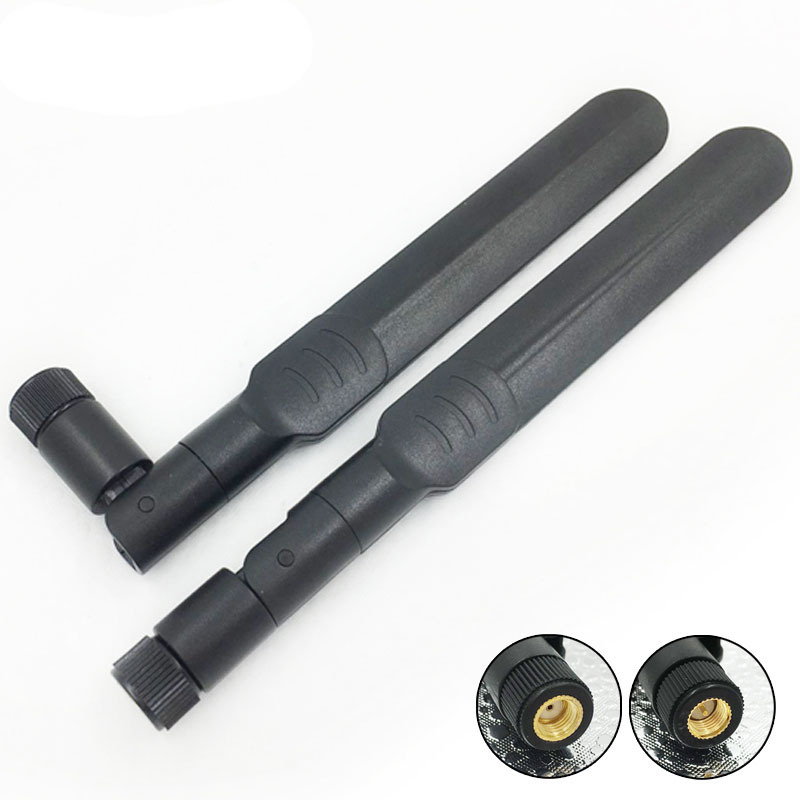
 What is an antenna? What is the core working principle of an antenna?
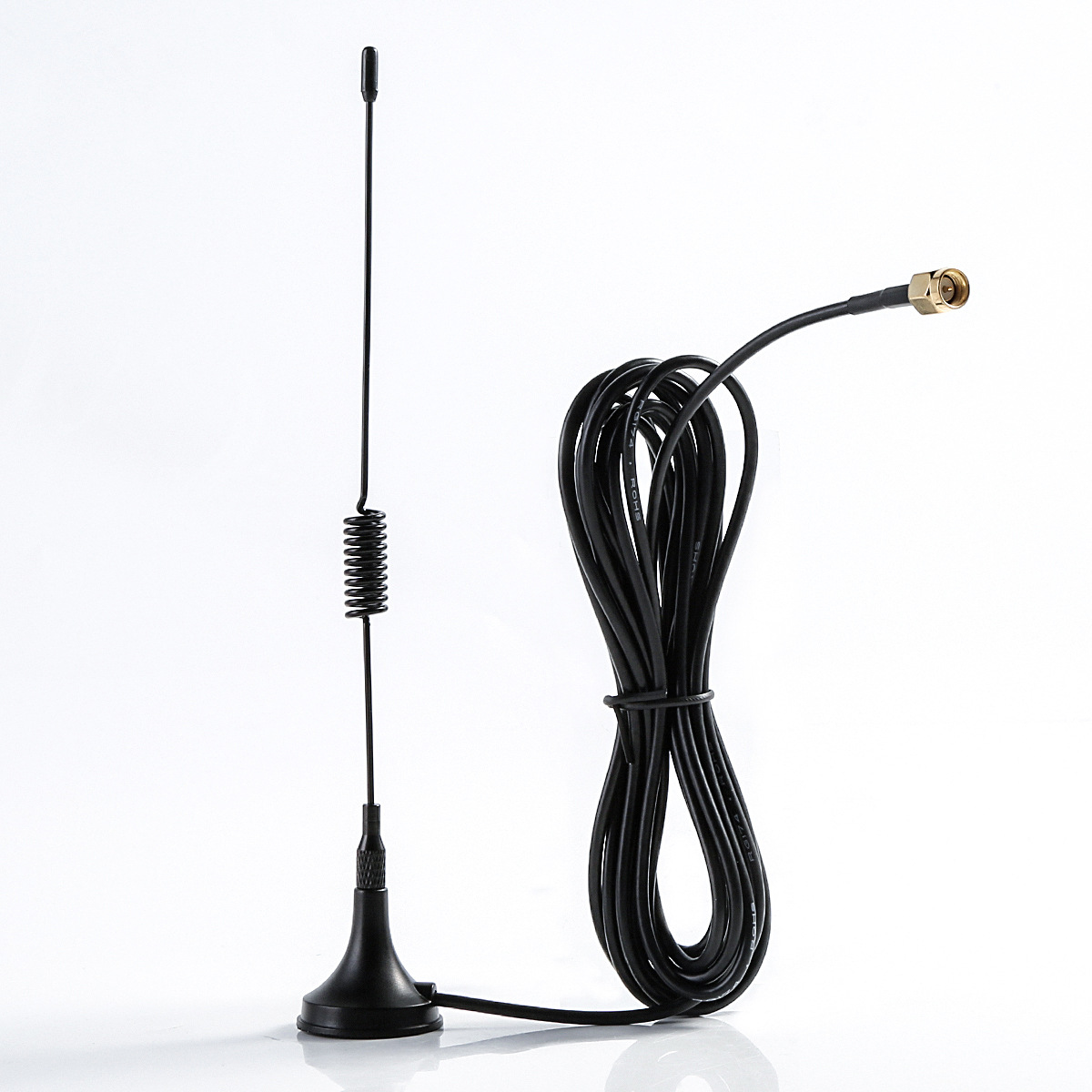
 Can 2.4GHz and 5GHz antennas be used interchangeably?
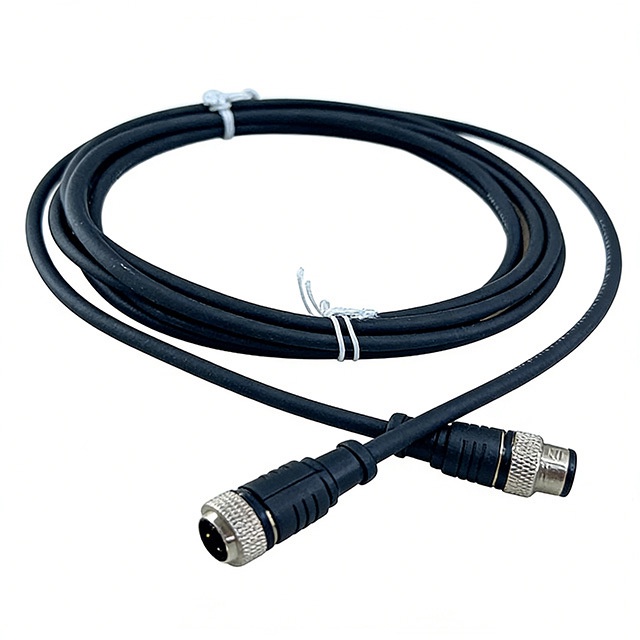
 What is an industrial equipment connection cable? What is the core difference between it and ordinary civilian cables and equipment harnesses?
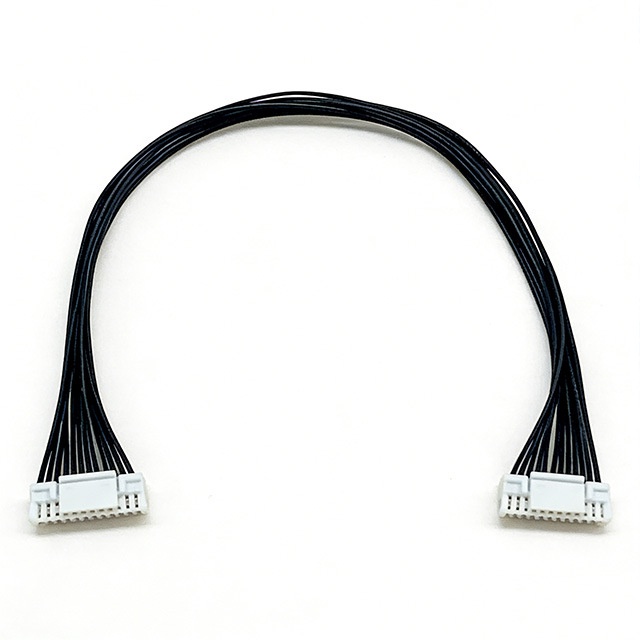
 What are the wiring specifications and taboos for strong and weak electrical connections in industrial equipment?
INQUIRY
RELATED PRODUCTS
 What is an antenna? What is the core working principle of an antenna?RCD has over a decade of experience in the assembly of cables and connectors required for outdoor harsh environment equipment.
 Can 2.4GHz and 5GHz antennas be used interchangeably?RCD has over a decade of experience in the assembly of cables and connectors required for outdoor harsh environment equipment.
 What is an industrial equipment connection cable? What is the core difference between it and ordinary civilian cables and equipment harnesses?RCD has over a decade of experience in the assembly of cables and connectors required for outdoor harsh environment equipment.