Keeping progressing, Pursuing integrity, Embracing future

Quickly determine whether an HDMI cable is "short-circuited" in 30 seconds - in fact, it involves using a multimeter to check for abnormal conduction between the 5V power pin and the ground pin.
The entire process can be completed in 3 steps and 30 seconds, without the need for wire removal or an oscilloscope.
Tools (Note: "工具" can also be translated as "Tools" or "Instruments", depending on the context. Here, "Tools" is used as a generic term for various tools used in various fields.)
Digital multimeter (buzzer or 200Ω resistance range)
HDMI cable to be tested (with both ends exposed)
30 seconds, 3 steps to operate
Reset to zero (5s)
Short-circuit the probe to confirm that the buzzer sounds and the reading is less than 1Ω, to avoid interference from the probe's own resistance.
"To the feet (10s)"
The HDMI-A male connector should be placed with its front side up, and the 18th pin on the far right is the +5V power supply, while the 17th pin is the ground (GND).
Place the red probe on pin 18 and the black probe on pin 17 (see figure).
Interpretation (15s)
The buzzer does not sound and the reading is > 10 kΩ → there is no short circuit, and the wire is likely normal.
Buzzer beeps continuously or reading < 5 Ω → Pin 18 is short-circuited to ground, the wire is internally broken down, or there is solder bridging. Discontinue use immediately.
Supplementary 10-second optional check
Touch the pen separately
19th pin (HPD) vs 17th pin (GND)
Pin 15 and 16 (SCL/SDA) vs Pin 17
As long as any pair of horns chirp, it indicates a short circuit between the signal pin and the ground, and it is also determined to be scrapped.
Inquiry
LATEST BLOGS
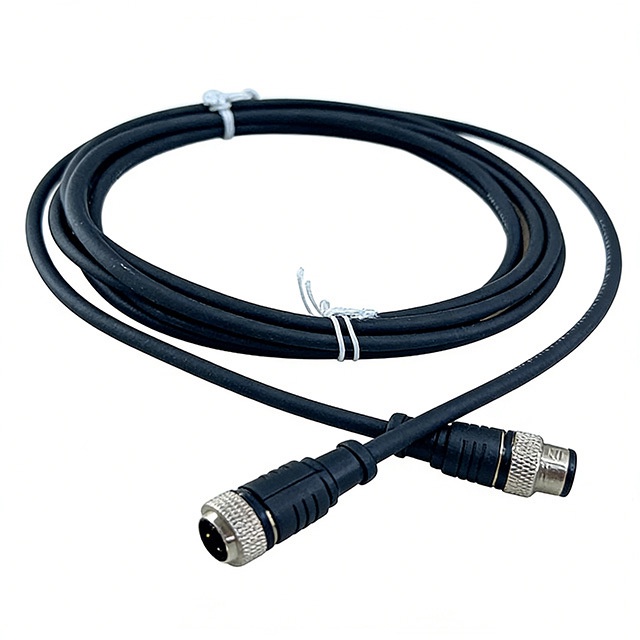
 What is an industrial equipment connection cable? What is the core difference between it and ordinary civilian cables and equipment harnesses?
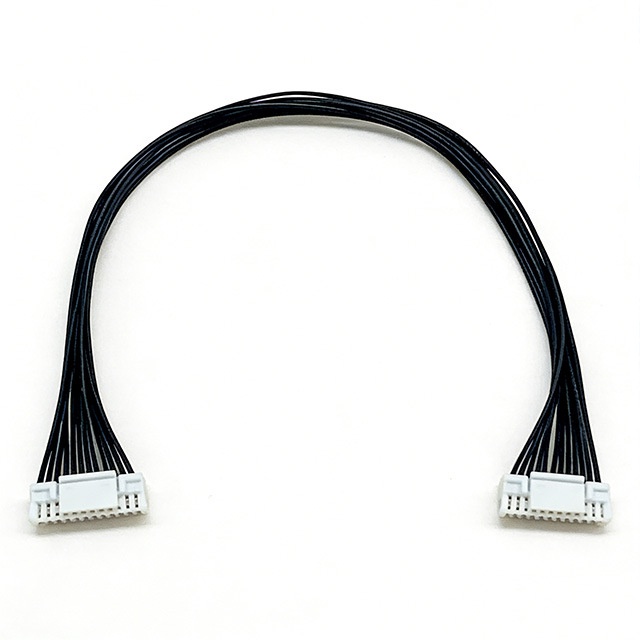
 What are the wiring specifications and taboos for strong and weak electrical connections in industrial equipment?
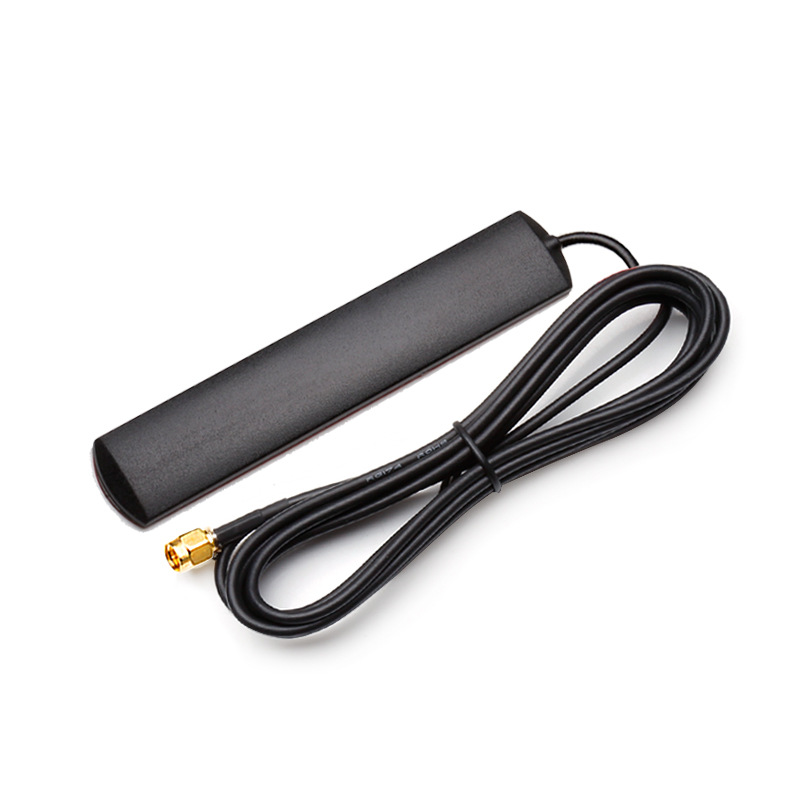
 What are the advantages and disadvantages of internal and external antennas?
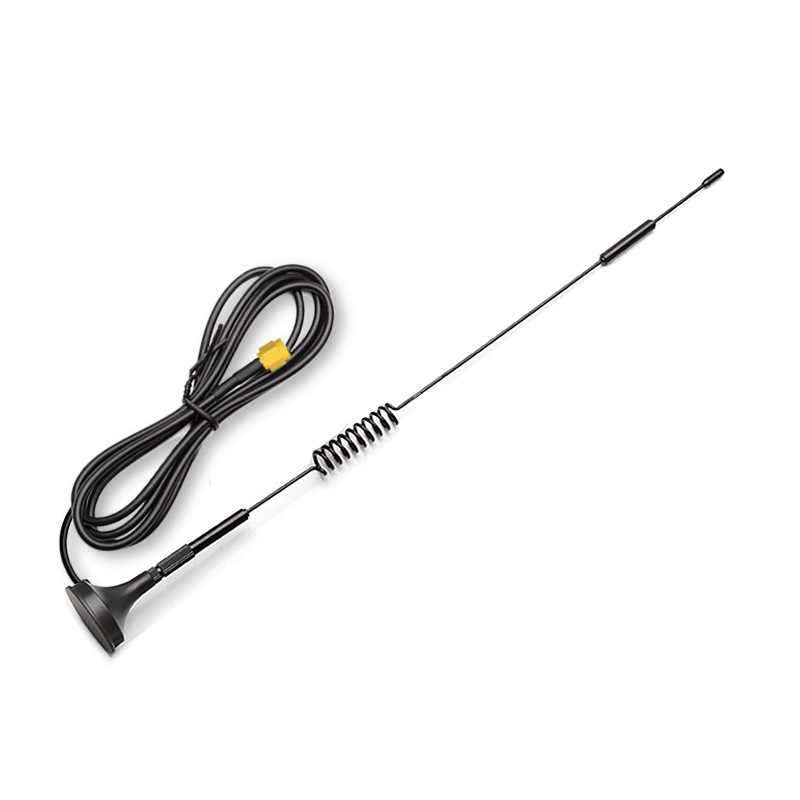
 What is the difference and relationship between antenna gain and transmission power?
INQUIRY
RELATED PRODUCTS
 What is an industrial equipment connection cable? What is the core difference between it and ordinary civilian cables and equipment harnesses?RCD has over a decade of experience in the assembly of cables and connectors required for outdoor harsh environment equipment.
 What are the wiring specifications and taboos for strong and weak electrical connections in industrial equipment?RCD has over a decade of experience in the assembly of cables and connectors required for outdoor harsh environment equipment.
 What are the advantages and disadvantages of internal and external antennas?RCD has over a decade of experience in the assembly of cables and connectors required for outdoor harsh environment equipment.