Keeping progressing, Pursuing integrity, Embracing future

Wire harness fault diagnosis is an important part of ensuring the normal operation of electrical systems. The following are common fault diagnosis methods:
1. Visual inspection method
The visual inspection method is to quickly locate the faulty area through observation, touch, smell, and other methods
For example:
Appearance inspection: Check whether the wiring harness is worn, broken, burnt, etc
.
Abnormal phenomenon: Check for any abnormal smoke, sparks, abnormal noise, burnt smell, etc
.
2. Instrument and Meter Inspection Method
Use professional instruments for precise detection
:
Multimeter: measures resistance, voltage, and current to determine if the circuit is short circuited or open circuited
.
Oscilloscope: Check signal waveform, detect signal distortion or interference
.
Infrared thermal imaging device: detects the thermal distribution of the wiring harness and searches for overheated areas
.
3. Tool inspection method
Test lamp inspection method: suitable for detecting wire short circuit faults, but attention should be paid to the test lamp power
.
Wire Crossing Inspection Method: By short circuiting a suspected faulty line, observe the working status of the equipment and determine whether there is an open circuit or poor contact
.
4. Tensile testing
Check the connection strength between the transmission line and the terminal block to determine if there is a fracture
.
5. X-ray detection
Non destructive testing method can clearly display the internal structure and welding points of the wire harness, and detect process defects such as solder leaks and tin slag
.
6. Electromagnetic interference (EMI) testing
Check if the wiring harness generates excessive electromagnetic interference that affects other devices
.
7. Partition detection
Partition the electrical system and set up contacts, quickly locate the fault area by detecting the voltage of each contact
.
8. On board diagnostic system (OBD)
Use the vehicle's built-in diagnostic system to read fault codes and locate wiring harness faults
.
9. Touch test
By touching or activating the connector, determine if it is working properly
.
10. Functional testing
Connect the power supply of the wiring harness and test whether the control equipment is working properly
Inquiry
LATEST BLOGS
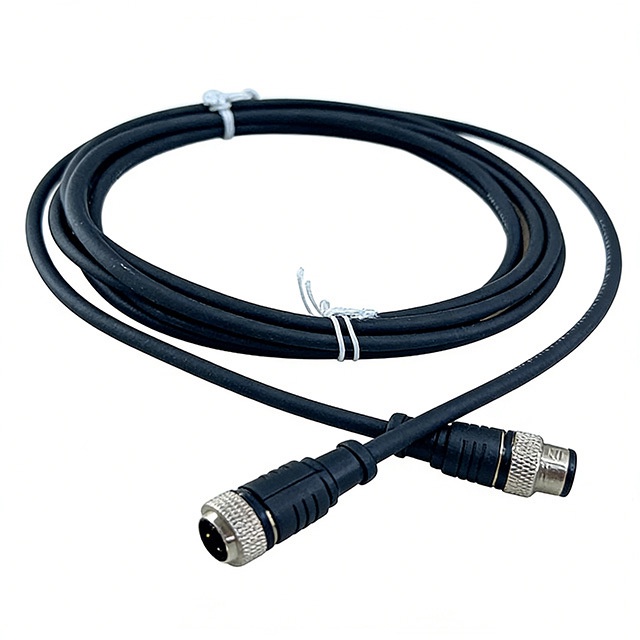
 What is an industrial equipment connection cable? What is the core difference between it and ordinary civilian cables and equipment harnesses?
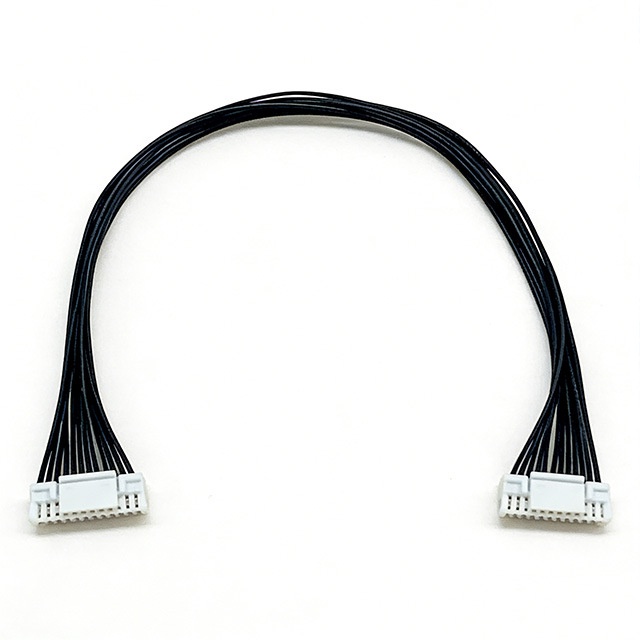
 What are the wiring specifications and taboos for strong and weak electrical connections in industrial equipment?
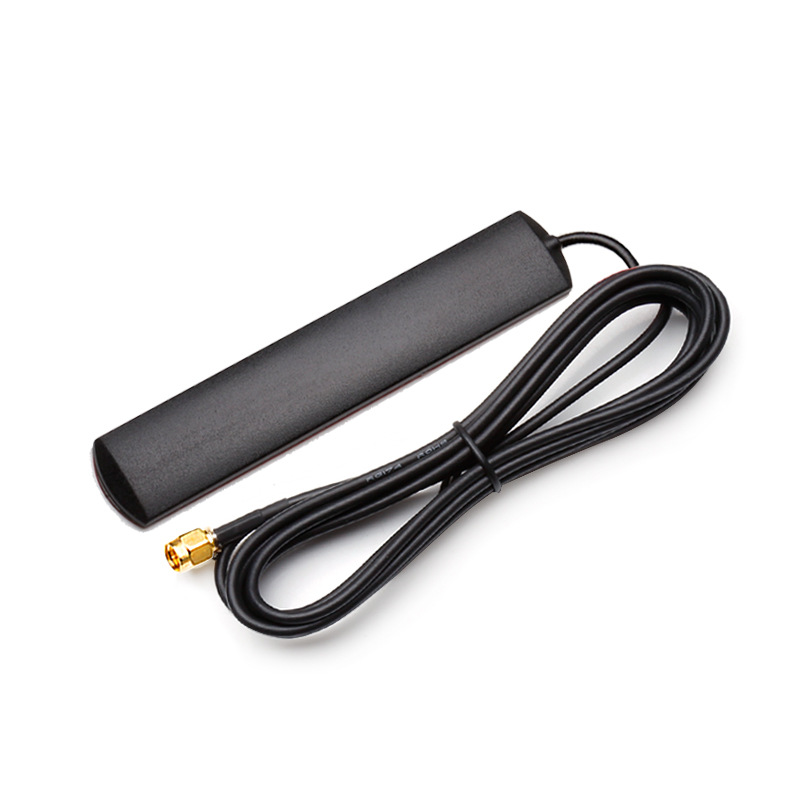
 What are the advantages and disadvantages of internal and external antennas?
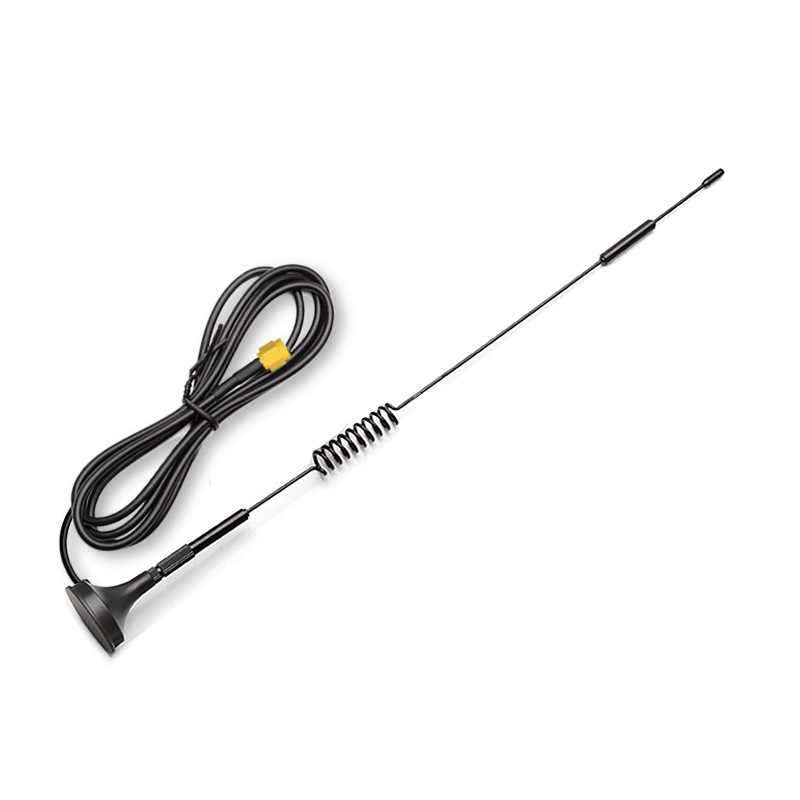
 What is the difference and relationship between antenna gain and transmission power?
INQUIRY
RELATED PRODUCTS
 What is an industrial equipment connection cable? What is the core difference between it and ordinary civilian cables and equipment harnesses?RCD has over a decade of experience in the assembly of cables and connectors required for outdoor harsh environment equipment.
 What are the wiring specifications and taboos for strong and weak electrical connections in industrial equipment?RCD has over a decade of experience in the assembly of cables and connectors required for outdoor harsh environment equipment.
 What are the advantages and disadvantages of internal and external antennas?RCD has over a decade of experience in the assembly of cables and connectors required for outdoor harsh environment equipment.