Keeping progressing, Pursuing integrity, Embracing future

The requirements for energy storage wiring harnesses in terms of safety, lifespan, flame retardancy, anti-interference, and reliability are significantly higher than those for automotive and industrial wiring harnesses. Firstly, the safety level is the highest, with mandatory low-smoke and halogen-free UL94 V-0 flame retardancy, ensuring non-toxic and smoke-free combustion. In contrast, automotive wiring harnesses mostly adopt ordinary flame retardancy, while industrial wiring harnesses often use PVC. Secondly, the service life requirement of 8-10 years for long-term stable operation is much higher than the standards for automotive and industrial wiring harnesses. Thirdly, the anti-interference requirements are extremely high, ensuring high stability for BMS sampling and communication. Automotive wiring harnesses focus on vibration resistance, while industrial wiring harnesses prioritize durability. Fourthly, they exhibit stronger resistance to high and low temperatures, damp heat, aging, and hydrolysis, adapting to the long-term cyclic working environment of energy storage. Fifthly, the standards for current carrying, insulation, and voltage resistance are stricter, with more comprehensive factory inspection items. Sixthly, the systematic design requirements are high, necessitating compatibility with the overall system of battery clusters, BMS, PCS, and combiner boxes. Automotive wiring harnesses primarily meet the requirements for on-board vibration and temperature shock; industrial wiring harnesses cater to general industrial control environments. The core of energy storage wiring harnesses emphasizes high safety, high flame retardancy, high insulation, high anti-interference, and long lifespan, strictly prohibiting substitution with automotive or industrial wiring harnesses.
Inquiry
LATEST BLOGS
 What is an industrial equipment connection cable? What is the core difference between it and ordinary civilian cables and equipment harnesses?
 What are the wiring specifications and taboos for strong and weak electrical connections in industrial equipment?
 What are the advantages and disadvantages of internal and external antennas?
 What is the difference and relationship between antenna gain and transmission power?
INQUIRY
RELATED PRODUCTS
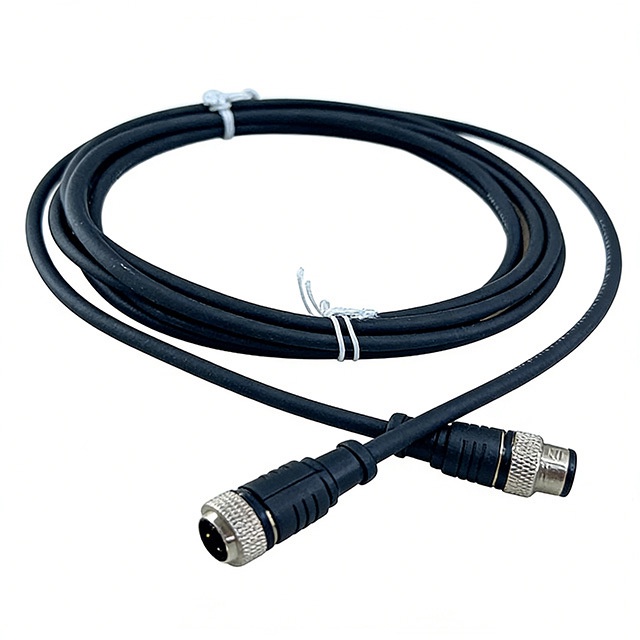
 What is an industrial equipment connection cable? What is the core difference between it and ordinary civilian cables and equipment harnesses?RCD has over a decade of experience in the assembly of cables and connectors required for outdoor harsh environment equipment.
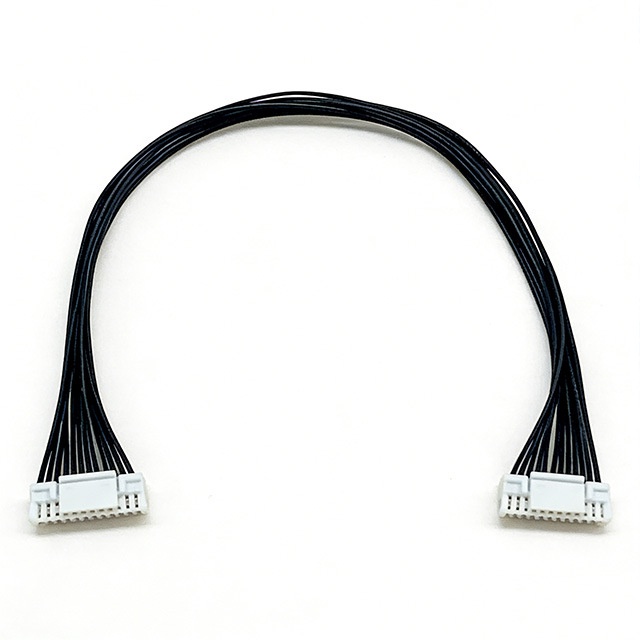
 What are the wiring specifications and taboos for strong and weak electrical connections in industrial equipment?RCD has over a decade of experience in the assembly of cables and connectors required for outdoor harsh environment equipment.
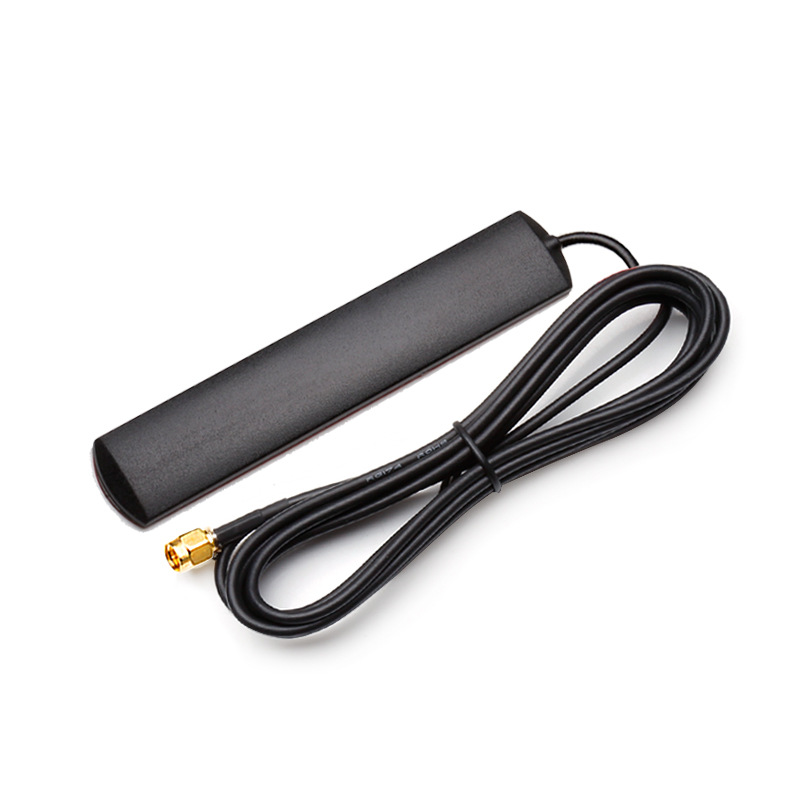
 What are the advantages and disadvantages of internal and external antennas?RCD has over a decade of experience in the assembly of cables and connectors required for outdoor harsh environment equipment.