Keeping progressing, Pursuing integrity, Embracing future

Ensuring the signal integrity (SI) of the connecting line can be summarized as a closed-loop process of "one line, two grounds, three matching, four shielding, and five verification":
1. One line: impedance line
Control the differential impedance deviation within ± 10% according to standards (USB 90 Ω, HDMI 100 Ω, car CAN 120 Ω, etc.)
.
Use a continuous reference plane (ground/power layer) and closely adhere to the signal layer to maintain uniform thickness and reduce impedance transients
.
2. Two plots of land: reflux and isolation
Provide adjacent 'mirror' return paths (ground or plane) for each signal line, with a width of ≥ 3 times the line width
.
Insert Guard Trace or ground copper between key signals, following the 3W rule (line spacing ≥ 3 x line width) to suppress crosstalk.
3. Three matching: source line load
Source end: Connect in series with 22-33 Ω; Load end: use parallel or Thevenin end connection to eliminate reflection
.
Differential pair: equal length (≤ 5 mil error), tight coupling, same layer and same impedance
.
4. Four shielding: material+structure+grounding
Material: Copper foil/aluminum foil+woven mesh, shielding effectiveness ≥ 60 dB@1 GHz。
• Structure: 360 degree surround, seamless overlap; The connector end uses a metal shell or finger spring to ensure 360 degree grounding continuity.
Grounding: Single ended shielding with single point grounding, differential shielding with both ends grounded; Multiple grounding points with RC grounding rings.
5. Five verifications: simulation+testing
• Design phase: Use SI/PI tools to run eye diagrams, S-parameters TDR, Margin ≥ 0.3 UI
.
• Sample stage: TDR impedance curve measurement, oscilloscope eye diagram, network analyzer measurement of return loss>15 dB target frequency band
.
Production stage: Sampling for 1000 hours of high-temperature aging, vibration, and shielding effectiveness retesting to ensure long-term stability.
Inquiry
LATEST BLOGS
 What is an industrial equipment connection cable? What is the core difference between it and ordinary civilian cables and equipment harnesses?
 What are the wiring specifications and taboos for strong and weak electrical connections in industrial equipment?
 What are the advantages and disadvantages of internal and external antennas?
 What is the difference and relationship between antenna gain and transmission power?
INQUIRY
RELATED PRODUCTS
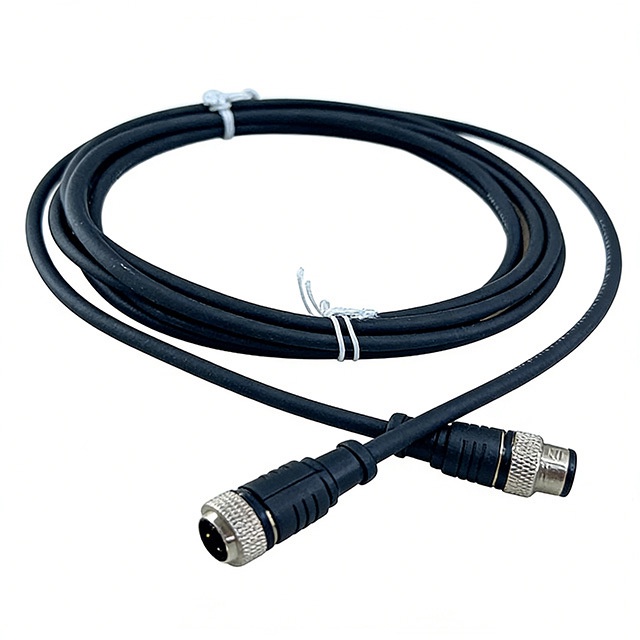
 What is an industrial equipment connection cable? What is the core difference between it and ordinary civilian cables and equipment harnesses?RCD has over a decade of experience in the assembly of cables and connectors required for outdoor harsh environment equipment.
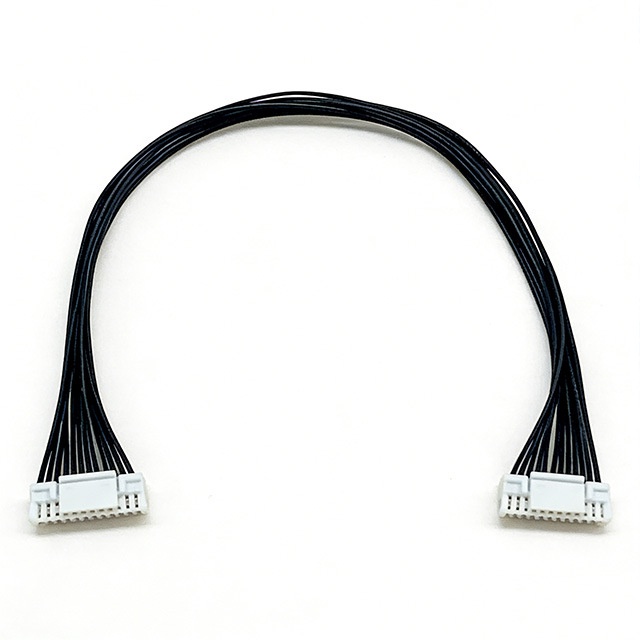
 What are the wiring specifications and taboos for strong and weak electrical connections in industrial equipment?RCD has over a decade of experience in the assembly of cables and connectors required for outdoor harsh environment equipment.
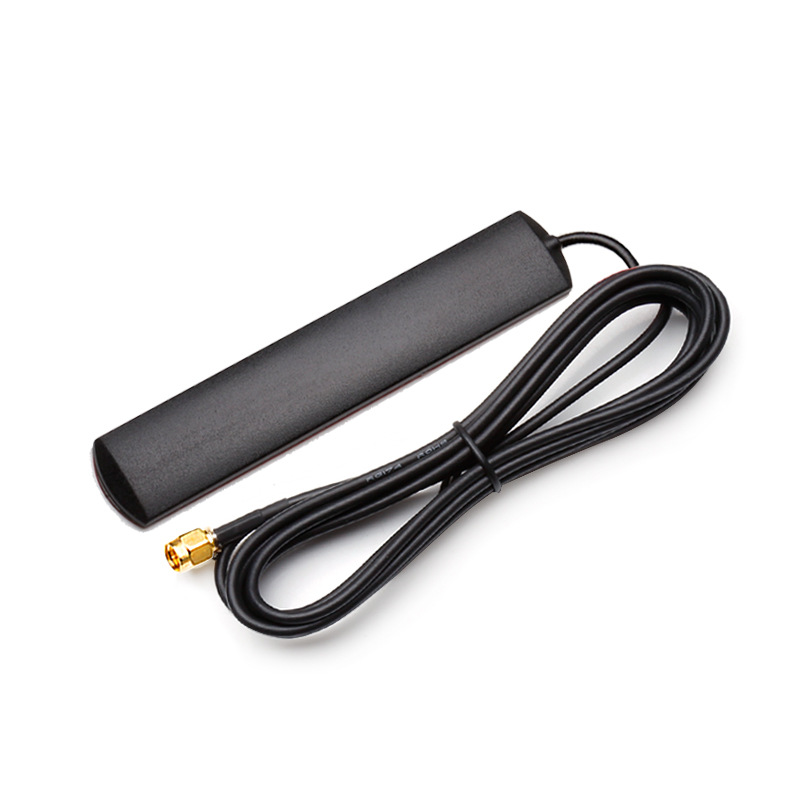
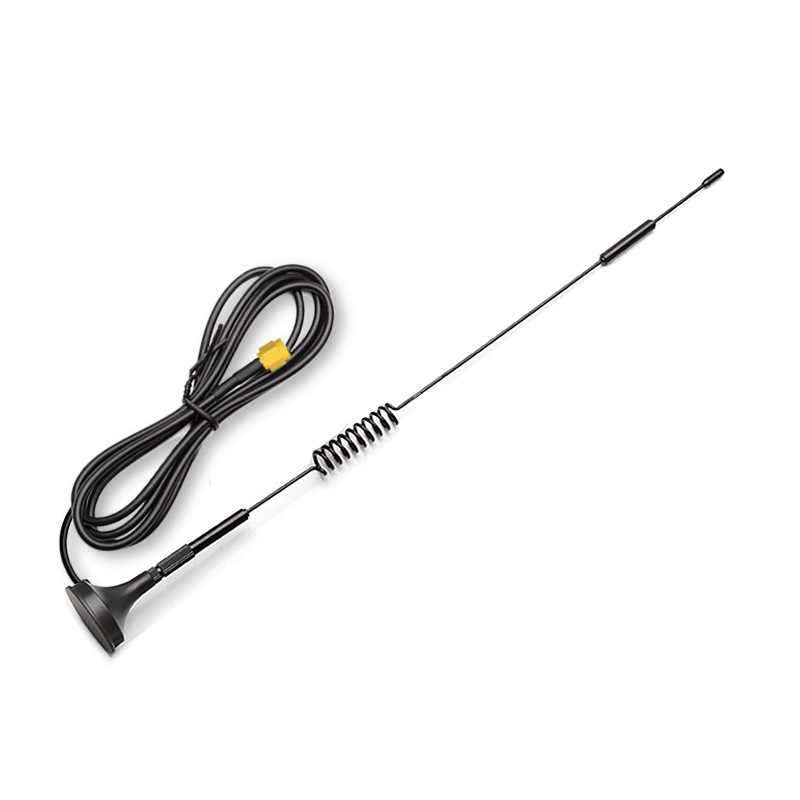
 What are the advantages and disadvantages of internal and external antennas?RCD has over a decade of experience in the assembly of cables and connectors required for outdoor harsh environment equipment.