Keeping progressing, Pursuing integrity, Embracing future

The intelligent monitoring technology of connecting lines is moving from "post maintenance" to "real-time perception, cloud warning, and life prediction". Currently, the core solutions that can be implemented are divided into three categories and eight technologies, covering scenarios such as power transmission, industry, automotive, and construction
Passive self powered monitoring
CT power supply+supercapacitor: Using the current of the wire itself to supply power to the sensor and LoRa wireless module through a current transformer (CT), achieving long-term online "zero external power supply".
Solar energy+battery: suitable for outdoor overhead lines or tunnels, charging photovoltaic panels during the day and supplying power with batteries at night, with a lifespan of 5-7 years.
Multi sensor fusion monitoring
• Sheath circulation/grounding circulation monitoring: Real time detection of cable sheath grounding current to determine whether there is water ingress or insulation aging.
• Tension/displacement sensor: detects changes in wire tension and detects broken strands or external force damage in advance.
Temperature, humidity, smoke, and gas sensors: Monitor the environment of the well or bridge for 24 hours, and if exceeded, sound and light+cloud alarm will be triggered.
Fiber optic distributed temperature measurement (DTS): Fiber optic cables are laid along the entire length of the cable to locate 1-meter hotspots with an accuracy of ± 1, used for high-voltage cable tunnels.
Communication and Data Platform
LoRa/NB IoT wireless feedback: open distance of 1-5 km, power consumption<50 mA, suitable for remote lines.
4G/5G+MQTT protocol: Real time upload of second level data to the cloud, supporting synchronous viewing on mobile phones and PCs.
AI lifespan prediction: Based on historical temperature rise, vibration, and current data, the algorithm provides the remaining lifespan and maintenance window, with a false alarm rate of<5%
Inquiry
LATEST BLOGS
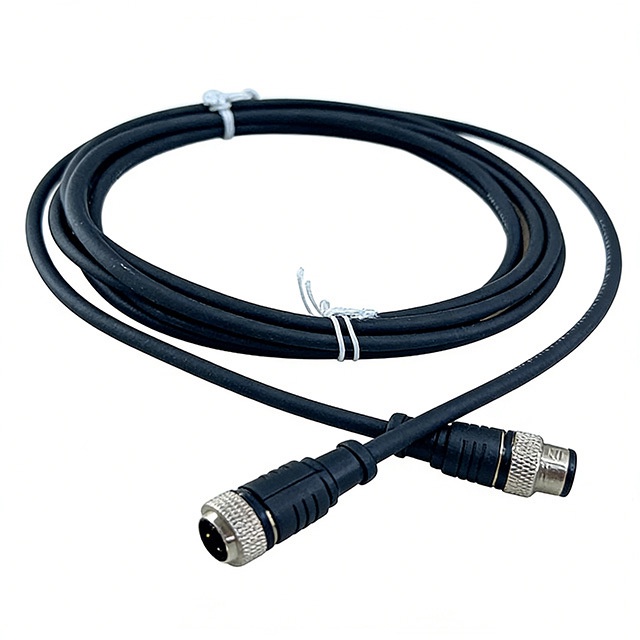
 What is an industrial equipment connection cable? What is the core difference between it and ordinary civilian cables and equipment harnesses?
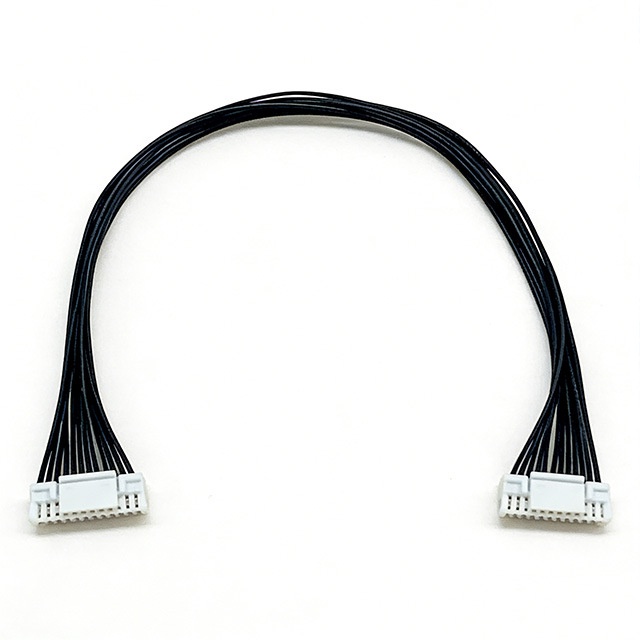
 What are the wiring specifications and taboos for strong and weak electrical connections in industrial equipment?
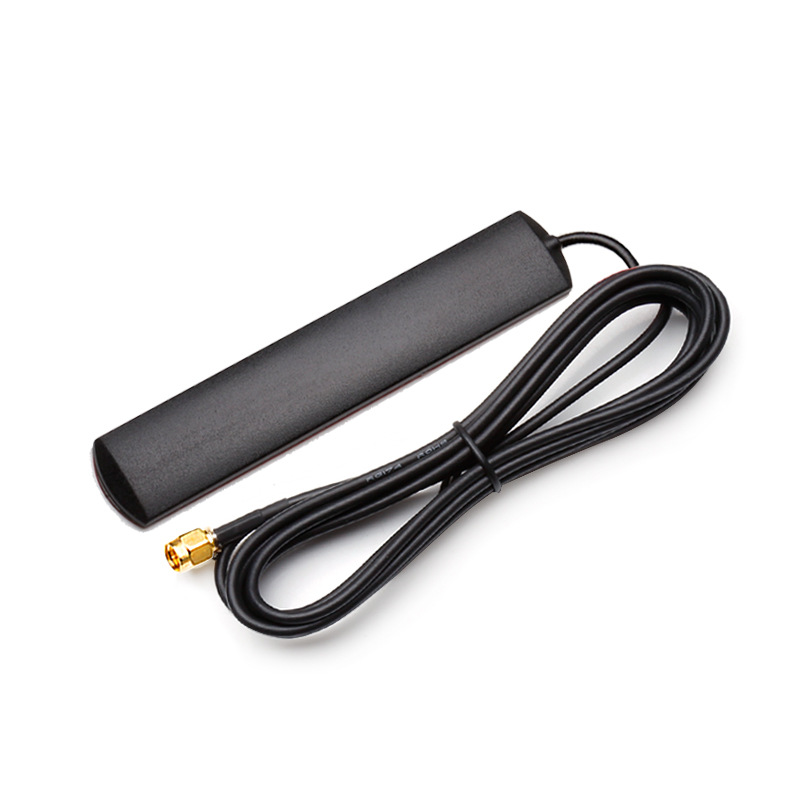
 What are the advantages and disadvantages of internal and external antennas?
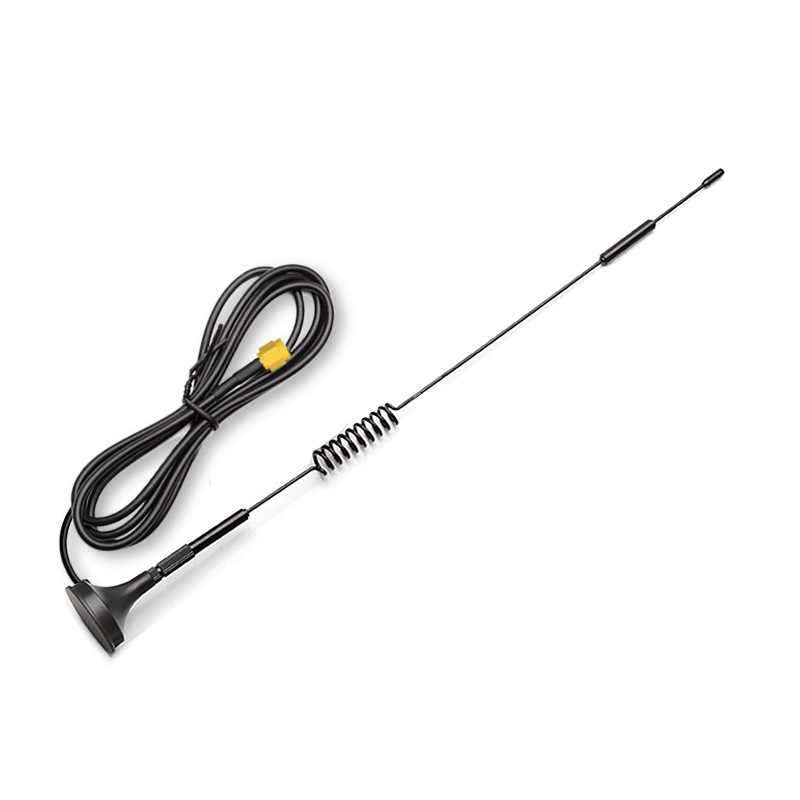
 What is the difference and relationship between antenna gain and transmission power?
INQUIRY
RELATED PRODUCTS
 What is an industrial equipment connection cable? What is the core difference between it and ordinary civilian cables and equipment harnesses?RCD has over a decade of experience in the assembly of cables and connectors required for outdoor harsh environment equipment.
 What are the wiring specifications and taboos for strong and weak electrical connections in industrial equipment?RCD has over a decade of experience in the assembly of cables and connectors required for outdoor harsh environment equipment.
 What are the advantages and disadvantages of internal and external antennas?RCD has over a decade of experience in the assembly of cables and connectors required for outdoor harsh environment equipment.